Romania has become one of those places remote workers mention quietly at first, then enthusiastically once they have spent a few weeks here. Fast internet, comparatively moderate living costs, lively cities, mountain escapes, and a growing international community all help. If you want to stay legally while working remotely for clients or an employer outside the country, the Romanian digital nomad visa is the option many people start with.
That said, this is not a visa to approach casually. Romania offers a real pathway for location-independent professionals, but the application still depends on documents, consistency, and meeting the formal criteria exactly. If you are evaluating whether Romania fits your lifestyle and work setup, it helps to understand not just what the visa is, but how it works in practice.
What the Romanian digital nomad visa is for
The Romanian digital nomad visa is designed for non-EU nationals who work remotely using communications technology and earn income from outside Romania. In simple terms, it exists for people whose professional life is already portable. You are not moving to Romania to join a local employer. You are moving to Romania while continuing work that is based elsewhere.
This distinction matters. Romania is trying to attract remote professionals without folding them into the standard local employment route. So the visa generally suits freelancers, consultants, founders running foreign companies, and employees of businesses registered outside Romania. If your plan involves taking a Romanian job, this is usually the wrong category.
For many applicants, the appeal is obvious. You get a more legitimate and stable basis for staying than trying to piece together short tourist visits. You can also plan housing, healthcare arrangements, and day-to-day life with more confidence.
Who can apply
In broad terms, the visa targets third-country nationals, meaning people who are not citizens of EU or EEA states or Switzerland. You also need to show that your work can be carried out remotely and that your income comes from sources outside Romania.
Employees typically need to prove they are employed by a company registered abroad. Independent professionals usually need to show contracts, company ownership, or other evidence that they provide services to clients outside Romania. In both cases, the authorities want to see that your activity is genuine, ongoing, and compatible with living in Romania without entering the local labor market.
There is also usually an income threshold involved. This is one of the areas where applicants should be especially careful, because thresholds and supporting proof can change, and consular interpretation may vary. A strong application does not just show that you meet the minimum on paper. It shows stable earnings in a way that is easy to verify.
Romanian digital nomad visa requirements to expect
Most applicants should be prepared to collect a mix of identity, professional, financial, and accommodation-related documents. The exact list can differ depending on where you apply and your personal situation, but the structure is fairly predictable.
You will typically need a valid passport, proof of remote employment or business activity, evidence of income from outside Romania, health insurance coverage, proof of accommodation, and a clean criminal record or equivalent background documentation. Consulates may also request a motivation statement or supporting explanation about your planned stay.
The practical challenge is rarely one single document. It is whether all documents tell the same story. If your employment letter says one thing, your bank statements suggest another, and your application form uses different dates, the file becomes weaker very quickly. Romanian immigration procedures are manageable, but they reward consistency.
You should also expect that some documents may need translation, legalization, or an apostille depending on the issuing country and the specific document. This is where timelines often stretch. A document that seems easy to obtain can become the slowest part of the process once formalities are added.
The application process in real life
The process usually starts outside Romania through a Romanian consulate or embassy. This is important because some applicants assume they can enter as tourists and sort everything out later. That is not a strategy to rely on.
In practice, most people begin by confirming the current documentary requirements for the consular post handling their case. Then they gather and format the file carefully, submit the application, attend any required appointment, and wait for a decision. If approved, they can travel to Romania and take the next steps related to legal stay and residence documentation.
This is where expectations matter. A visa approval is not the same thing as having every administrative issue solved. Once in Romania, you may still need to deal with registration, residence paperwork, and practical onboarding tasks such as renting long term or setting up services. The visa opens the door, but it does not remove routine bureaucracy.
Common sticking points applicants run into
The biggest problems are usually not dramatic. They are small gaps that raise questions.
One common issue is weak proof of remote work. A short letter from an employer may not be enough if it does not clearly state your position, that your work is performed remotely, and that the company is based outside Romania. For freelancers, vague invoices or inconsistent contracts can create similar problems.
Another issue is accommodation evidence. If you book a place for a week and present it as your Romanian address, that may not inspire much confidence. Authorities generally want to see that you have a credible plan for where you will stay.
Timing also causes trouble. Background checks, insurance policies, translations, and passport validity all have their own timelines. When one piece expires or falls out of sync, you may need to redo part of the file.
Then there is the simple fact that immigration rules live in the real world. Different consulates may emphasize different details. That does not mean the law is random. It means applicants should leave room for follow-up requests and avoid treating a checklist as the full story.
Is Romania a good fit for digital nomads?
For many remote workers, yes. But it depends on what kind of remote life you want.
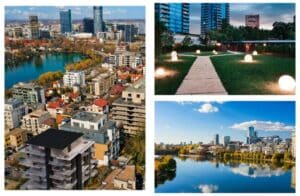
If you value strong internet, urban energy, and access to varied landscapes, Romania compares well with more saturated digital nomad destinations. Bucharest offers scale, international connections, and a fast-moving work rhythm. Cluj-Napoca attracts tech-minded professionals and founders. Brasov gives you a smaller-city feel with mountain access and a high quality of daily life. Timisoara appeals to people who want a well-connected city with a growing international profile.
Romania works especially well for people who prefer living in a real local environment rather than inside a temporary nomad bubble. That is a strength, but also a trade-off. If you are expecting every process to be frictionless in English, or you want a destination built entirely around short-term foreign stays, Romania can feel more grounded and less curated.
That is not necessarily a drawback. Many expats end up liking Romania precisely because it feels livable rather than staged.
How to prepare a stronger application
The best applications are clear, boring, and easy to follow. That may not sound glamorous, but it works.
Start by making sure your professional narrative is simple. Who do you work for, where is that entity based, what do you do, and why can you do it remotely from Romania? If those questions can be answered cleanly with documents that match one another, you are already in a better position than many applicants.
It also helps to organize documents in a logical order and review every date, name, and passport number before submission. Small inconsistencies can cause avoidable delays. If a document is not in Romanian or another accepted language for the post handling your application, check early whether a certified translation is needed.
Finally, give yourself more time than you think you need. People often budget time for collecting documents but not for corrections, new requests, or the simple wait between submission and decision.
After arrival in Romania
Once you arrive, the focus shifts from eligibility to settling in well. That means keeping copies of your visa documents, following any local residence procedures on time, and making practical decisions about housing, healthcare access, and your preferred city base.
This is also the stage where a resource platform like Expat-Center Romania becomes useful for the non-visa part of the move. Immigration status matters, but so does understanding what daily life will actually look like once the paperwork is done.
The Romania digital nomad visa can be a smart route for remote professionals who want more than a short visit. If you approach it carefully, with realistic expectations and well-prepared documents, Romania is not just a place you can legally stay – it is a place you can genuinely settle into.